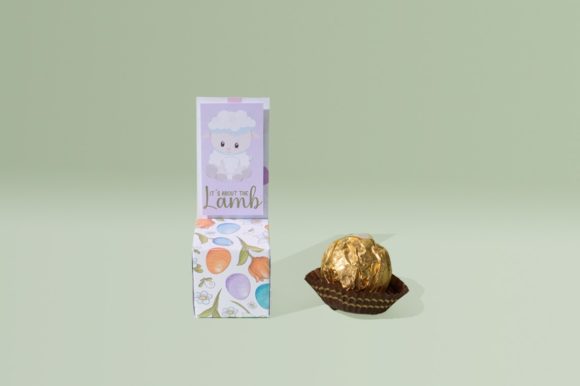
Chocolate Box 1: A Designer's Review for Real Projects
As someone who spends most of their week digitizing files and testing machine embroidery design assets for client work, I approach every new download with a critical eye. We all know the feeling: you buy a beautiful digital embroidery file, only to find out it stitches like a dream on muslin but pulls apart on a fleece hoodie. Today, I am breaking down Chocolate Box 1, not just as a pretty graphic, but as a functional asset for your craft business. This isn't about marketing fluff; it is about whether this design holds up when you are trying to meet a deadline for a boutique order or filling an Etsy seller queue.
The First Impression: Mood and Layout
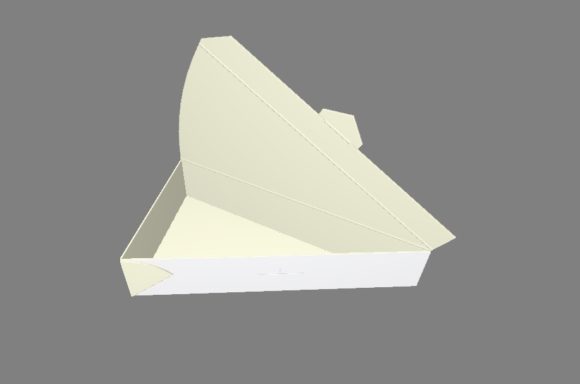
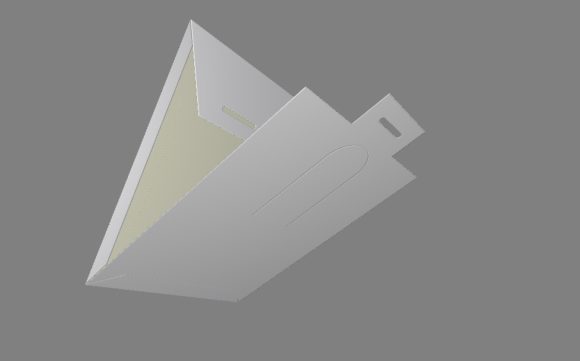
When I first loaded Chocolate Box 1 into my editing software, the immediate takeaway was its specific utility. The description notes it is perfect for Ferrero chocolates, and visually, it captures that premium, gift-ready aesthetic. The layout suggests a structured, elegant vibe rather than a whimsical or cartoonish one. For designers, this distinction matters. You aren't just stitching a box; you are stitching a promise of quality. The dimensions provided—approximately 1-3/8″ x 1-3/8″ x 3-5/8″—indicate a compact footprint. In the world of Gift Boxes and packaging add-ons, size is everything. This feels like a design meant to elevate a small item, making it feel expensive without overwhelming the product itself.
The fact that this is categorized as a 3D SVG alongside embroidery compatibility suggests versatility. While my focus here is the stitch-out, knowing the vector scalability exists means you can easily create matching printable mockup materials or laser-cut inserts if you are running a full-service small shop product line. The visual personality of Chocolate Box 1 leans towards sophistication, making it an ideal candidate for holiday gifts, wedding favors, or high-end corporate branding where subtlety wins over flashiness.
Real-World Application: From Concept to Stitch
Let's walk through a realistic scenario. Imagine a client approaches you for a set of personalized holiday gifts. They want to package homemade truffles in a way that looks store-bought but feels handmade. This is where Chocolate Box 1 shines. You could use this design to create a custom label or a decorative patch sewn directly onto a fabric lining inside a larger gift basket. Alternatively, consider a tote bag design for a local chocolatier. Placing this motif near the bottom corner of a canvas tote adds a touch of branding without dominating the bag's real estate.
I also see strong potential for sweatshirt embroidery. If you are creating staff uniforms for a boutique café or a confectionery shop, this design offers a clean, professional look. Unlike complex scenes that require thousands of stitches and risk puckering, the compact nature of this trio box suggests a manageable stitch count (though you must verify the exact count in your software). It would work beautifully on a chest logo placement, providing instant brand recognition. For baby embroidery projects, perhaps a "sweet treat" themed onesie for a baby shower, the scale seems appropriate, provided the fabric is stable enough to handle the density.
The compatibility with both 8×12 and 12×12 cutting areas mentioned in the specs is a huge plus for production efficiency. If you are running a multi-head machine, being able to gang multiple units of Chocolate Box 1 in a single hoop setup can drastically reduce your turnaround time for large commercial embroidery orders. This efficiency is what separates a hobbyist from a profitable creative entrepreneur.
Technical Considerations and Fabric Challenges
However, no design is without its challenges, and a responsible reviewer must point them out. The elegance of Chocolate Box 1 likely relies on clean lines and potentially fine details to mimic the look of a real chocolate wrapper or box structure. This creates specific risks when working with difficult fabrics.
- Fabric Texture: On textured fabrics like terry cloth or heavy wool, fine details can get lost. If the design uses thin running stitch outlines, they might sink into the pile. I recommend testing this on a smooth twill or broadcloth first.
- Stretchy Materials: Applying this to a stretchy jersey knit for a t-shirt requires caution. Without a high-quality cut-away stabilizer, the box shape could distort after the first wash, turning your premium-looking gift into a warped mess.
- Dark Fabrics: If you are stitching on black or navy, ensure your thread colors have enough contrast. A dark brown box on a black sweatshirt will vanish. You may need to adjust the color palette in your software to include a lighter outline or a backing layer to make the finished product pop.
- Small Hoop Sizes: While the design fits standard hoops, be mindful if you are attempting to place it on curved surfaces like caps. The rigid geometry of a box can look awkward if it doesn't sit flat against the curve of a hat front.
Furthermore, pay close attention to stitch density. Compact designs sometimes pack too many stitches into a small area to achieve detail, which can lead to needle heat or thread breakage, especially with metallic or rayon threads. Always run a test stitch-out on scrap fabric identical to your final material. Check the back of the sample; if you see excessive pull or gaping, you may need to adjust your tension or switch to a heavier stabilizer.
Enhancing Brand Value and Customer Trust
Why does any of this matter? Because in the handmade economy, perception is reality. When a customer buys a personalized gift featuring Chocolate Box 1, they aren't just buying chocolates; they are buying the experience of unwrapping something special. A crisp, well-executed embroidery design signals professionalism. It tells the recipient that care was taken in every step of the process.
For Etsy sellers and boutique owners, consistency is key. If you use this design across a range of products—from aprons to pillow covers—it becomes part of your visual identity. Customers begin to recognize that specific box motif as "yours." This builds brand loyalty. However, this only works if the quality is consistent. A sloppy stitch-out with loose trim or poor registration damages trust instantly. Before listing this as a design asset in your shop or using it for client work, inspect the tiny corners and any lettering (if applicable) under magnification. Ensure the satin stitch columns are smooth and the fill stitch areas are uniform.
Final Verdict and Designer Notes
In conclusion, Chocolate Box 1 is a promising addition to a designer's library, particularly for those specializing in food-related gifting, boutique packaging, or seasonal merchandise. Its strength lies in its specific theme and manageable size, which allows for versatile application across various embroidery project types. However, its success depends entirely on execution.
Before you commit to a production run, follow these practical steps:
- Verify Specifications: The product notes mention compatibility with 8×12 and 12×12 cutters, but always double-check the exact stitch count and file formats provided by the seller to ensure they match your machine's capabilities.
- Test Colorways: Create black-and-white mockups to check contrast before threading your machine. Does the design hold up without color?
- Check Licensing: If you plan to sell items made with this design, confirm the license terms. Some creators allow unlimited physical sales but restrict digital redistribution.
- Stabilizer Strategy: Don't guess. Match your stabilizer to the fabric weight. For a premium feel on a custom apparel item, a soft mesh cut-away might be better than a stiff tear-away.
Ultimately, Chocolate Box 1 has the potential to be a best-seller in your catalog if treated with the technical respect it deserves. It bridges the gap between a simple graphic and a tangible, tactile experience. Whether you are decorating a kitchen towel for a hostess gift or branding a line of gourmet treats, this design offers a solid foundation for creativity. Just remember: the devil is in the details, and in embroidery, those details are stitched one thread at a time.