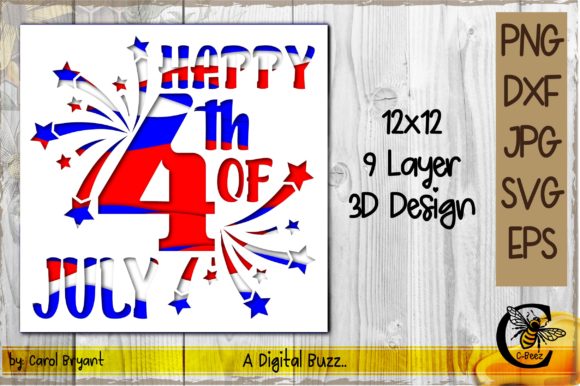
Reviewing 9 Layer 4th of July for Real Projects
As a designer who spends more time staring at stitch maps than actual fireworks, I approach every new machine embroidery design with a mix of excitement and skepticism. We've all been burned by files that look vibrant on the screen but turn into a bird's nest of thread breaks and puckering on the hoop. So, when I pulled up the 9 Layer 4th of July, my first instinct wasn't to imagine the finished product, but to dissect the workflow. This isn't just a graphic; it is a structural challenge disguised as a festive motif.
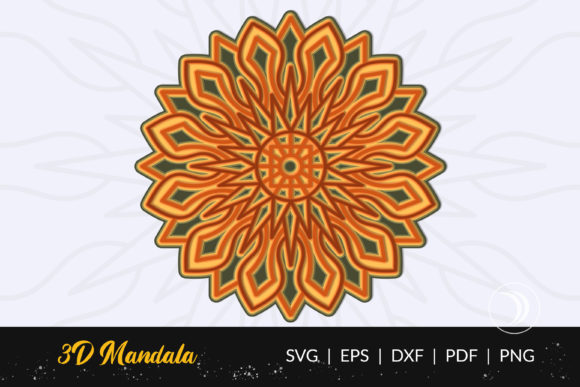
The initial impression of this file is one of bold, celebratory energy. It falls under the Shapes category, but don't let that simple classification fool you. The "9 Layer" descriptor suggests a depth and complexity that goes beyond a standard flat fill. In the world of 3D SVG cut files adapted for embroidery, layering usually implies a need for precise registration. If you are planning to use this for a custom apparel line or a batch of holiday gifts, you need to understand that this design demands respect for the process. It creates a mood of classic Americana, but the execution determines whether it looks like a boutique item or a homemade mistake.
Putting the Design to the Test: A Real-World Scenario
To truly evaluate the 9 Layer 4th of July, I envisioned a specific project: a limited run of canvas tote bag design items for a local summer market. Canvas is unforgiving; it shows every skipped stitch and uneven tension. My goal was to create a handmade product that could withstand the weight of groceries while maintaining its visual appeal.
When visualizing the stitch-out, the layering becomes the critical factor. With nine distinct layers, you are looking at significant build-up. On a thick fabric like canvas or denim, this adds a lovely tactile dimension, turning the embroidery project into something resembling an embroidered patch applied directly to the garment. However, this same quality makes it risky for lighter materials. If I were to attempt this on a thin cotton tee, the weight of the threads would likely cause the fabric to pucker irreparably around the edges. For a sweatshirt embroidery application, however, the heavier fleece or French terry would support the density beautifully, giving the design the pop it needs without distorting the garment.
The color flexibility mentioned in the description is a huge plus for Etsy sellers and small shop product creators. Since the on-screen colors are examples, you have the freedom to adapt the thread colors to match specific brand palettes. Imagine swapping the traditional red, white, and blue for a rustic farmhouse palette of cream, sage, and barn red. This versatility allows the design to transcend the immediate holiday and become a year-round design asset for patriotic-themed decor or even wedding gifts for couples marrying near the date.
Navigating Technical Challenges and Fabric Choices
While the aesthetic potential is high, the technical execution of the 9 Layer 4th of July requires careful planning. The term "3D SVG" often implies intricate cut lines if you are doing appliqué, or dense stacking if you are doing direct stitching. If this is intended as an applique design, the nine layers mean nine separate pieces of fabric to cut, place, and tack down. This is time-consuming. For a craft business owner calculating labor costs, you must factor in the extra minutes per unit. If it is a direct stitch file relying on satin stitch and fill stitch techniques to create the illusion of depth, the stitch density will be substantial.
Here is where caution is necessary. Using this on stretchy fabric like jersey knit is a recipe for disaster unless you are an expert with stabilizers. The sheer volume of thread can restrict the natural give of the fabric, leading to discomfort for the wearer and potential thread breakage during movement. Similarly, curved surfaces like caps present a nightmare for multi-layer designs. The hoop space is limited, and aligning nine layers on a curved brim requires a specialized cap frame and immense patience. I would advise against using this for baby embroidery on onesies, where softness and low profile are paramount; the raised texture of nine layers might be too abrasive for sensitive skin.
Dark fabrics offer another consideration. If the design relies on light-colored threads for the upper layers, you must ensure the underlay is sufficient to prevent the dark background from peeking through. A poor underlay strategy can make a vibrant holiday embroidery piece look dull and muddy. Always test your stabilizer choice. For a design of this magnitude, a heavy-weight cut-away stabilizer is likely non-negotiable to maintain the integrity of the finished product after multiple washes.
Commercial Viability and Brand Perception
For commercial embroidery professionals, the value of the 9 Layer 4th of July lies in its perceived quality. Customers associate complex, multi-layered designs with higher value. A simple monogram is nice, but a structured, layered graphic screams "premium." This can justify a higher price point for your personalized gift offerings. Whether you are selling printable mockup previews or physical goods, the visual weight of this design commands attention.
However, consistency is key. If you are building a brand, you need to ensure that the embroidery file performs consistently across different batches. Does the running stitch outlining hold up? Do the corners remain sharp? These details define your professionalism. A client receiving a tote bag with frayed edges or misaligned layers will lose trust in your craft business. Therefore, the "9 Layer" aspect is both your biggest selling point and your biggest risk. It signals effort, but it also increases the margin for error.
Essential Designer Notes for Success
Before you commit to producing a full inventory of goods featuring the 9 Layer 4th of July, here is my practical checklist based on years of trial and error:
- Scrap First: Never run this on your final good immediately. Stitch it out on a scrap piece of the exact same fabric and weight you intend to use.
- Check Contrast: Review your thread colors in black and white mockups first. If the layers blend together without contrast, the "9 layer" effect will be lost, and it will just look like a blob.
- Verify Hoop Size: Ensure the design fits comfortably within your available hoop size with enough margin for clamping, especially if resizing is needed.
- Inspect Density: Look closely at the stitch map. If areas look overly dense, consider editing the file to reduce stitch count if your software allows, to prevent needle heat and thread breakage.
- Licensing Check: Since this is a digital file potentially used for commercial embroidery, confirm the licensing terms. Can you sell the physical items? Can you sell the digital file itself? Never assume.
- Wash Testing: Products meant for frequent washing, like kitchen towels or aprons, need to be tested for durability. See how the layers hold up after three cycles in the machine.
In conclusion, the 9 Layer 4th of July is a powerful tool in the right hands. It is not a "load and go" file for beginners, but rather a robust design asset for experienced makers who understand fabric behavior and machine limitations. When executed correctly on appropriate materials like tote bags, sweatshirts, or home decor pillows, it elevates a simple holiday theme into a textured, professional-grade piece. It rewards preparation and punishes haste. For the creative entrepreneur willing to put in the prep work, this design offers a pathway to creating standout finished products that customers will cherish long after the fireworks have faded.