Box with Egg Belt Duo: A Designer's Review for Chocolate Packaging
As someone who spends more time than I'd like to admit staring at stitch maps and thread charts, I approach every new machine embroidery design with a mix of curiosity and skepticism. We've all been there: you download a file that looks adorable on the screen, only to find out it's a tangled mess of underlay or impossible to hoop correctly. Today, I'm taking a close look at the Box with Egg Belt Duo. This isn't just another digital asset; it's a specific solution for a very niche but popular market: chocolate packaging and gourmet gifting.
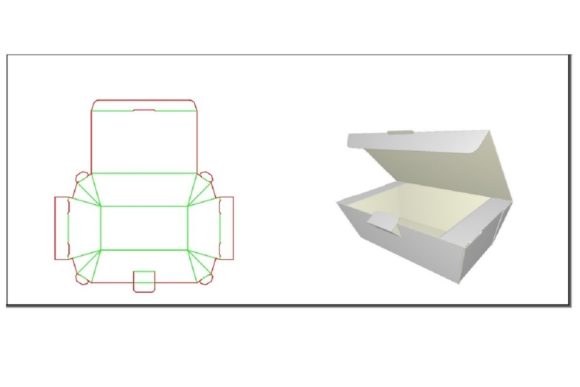
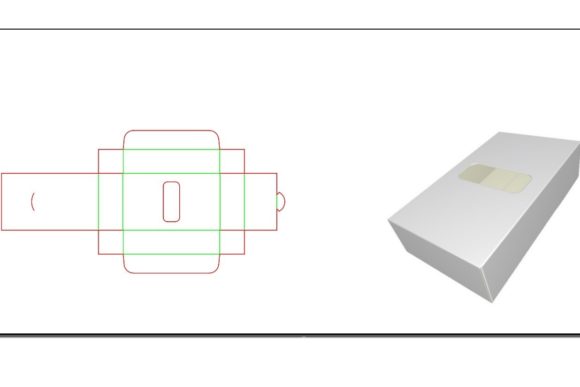
My first impression of this 3D SVG set is that it solves a structural problem with style. In the world of handmade products, presentation is half the battle. When you are selling high-end treats, the container needs to feel as premium as the contents. The Box with Egg Belt Duo immediately strikes me as a clever play on geometry and function. It belongs firmly in the Shapes category, but don't let that simple classification fool you. The layout suggests a thoughtful approach to how paper or cardstock folds, which translates surprisingly well when we adapt these concepts for textile applications or use them as templates for mixed-media craft business items.
Real-World Application: The Boutique Chocolate Gift
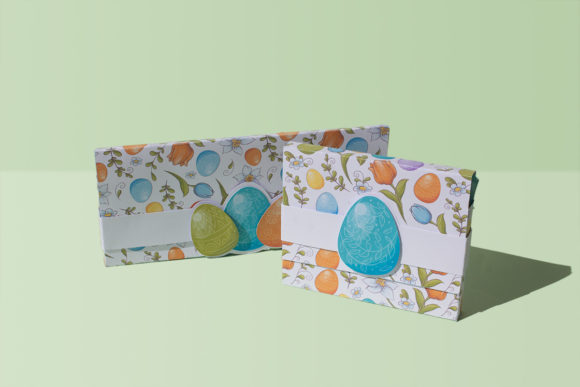
Let's move away from theory and talk about a real scenario. Imagine you run a small shop product line focused on holiday gifts. You have a client who wants custom embroidered aprons for their bakery staff, but they also need packaging for their signature long chocolate bars and square truffles. This is where the Box with Egg Belt Duo shines.
The dimensions provided—approximately 7-1/4″ x 3-3/8″ x 1/2″ (18.5cm x 8.5cm x 1.2cm)—are specific. They tell me this design is engineered for the "Big Chocolate Box" format. If I were preparing a custom project, I wouldn't just be stitching this onto fabric; I would be using the digital file to create a mockup for a client presentation. For an Etsy seller, having a visual representation of how the final packaging looks alongside an embroidered tote bag design creates a cohesive brand story.
However, if we are talking strictly about embroidery, this design concept works beautifully as a large back patch for a chef's jacket or a detailed centerpiece on a heavy canvas tote bag. The "Egg Belt" aspect implies a wrapping mechanism, which in embroidery terms, could be interpreted through layered applique work. Using a satin stitch for the belt portion against a fill stitch background for the box body would create excellent texture contrast. This kind of detail elevates a standard custom apparel item into something that feels bespoke and high-value.
Performance on Fabric and Material Considerations
When evaluating any embroidery file, we have to consider the substrate. While this product description highlights its use for chocolate boxes, adapting this shape for a sweatshirt embroidery project or a sturdy pillow cover requires careful planning. The sharp corners inherent in a box design can be tricky. On stretchy fabrics like jersey knits used for baby clothes, those crisp 90-degree angles might pucker if the stitch density is too high.
I always advise testing the design on scrap fabric first. If you are attempting to replicate the "box" look on a textured fabric like linen or towel, the fine details of the "belt" might get lost. In those cases, simplifying the design or increasing the scale slightly might be necessary. For dark fabrics, you'll need to pay close attention to your thread colors. A light-colored box design on a navy sweatshirt needs robust underlay to prevent the background fabric from peeking through the fill areas.
Furthermore, because this is a 3D SVG, it implies depth. In embroidery, we simulate depth through shading and stitch direction. If the file includes complex layering, ensure your hoop size can accommodate the full width without needing to re-hoop mid-design, which can lead to alignment issues. For a design of this approximate width (over 7 inches), you will likely need a large or extra-large hoop. Trying to force this into a standard 4x4 hoop would require splitting the design, which introduces seam lines that ruin the clean aesthetic of the box shape.
Visual Appeal and Brand Consistency
The strength of the Box with Egg Belt Duo lies in its professional finish. For creative entrepreneurs, consistency is key to building trust. If your brand is known for precision and quality, your design assets must reflect that. This design offers a structured, clean look that screams "professional." It avoids the whimsical, hand-drawn looseness that doesn't fit every brand identity.
Using this as part of your design assets library allows for versatility. You could use the outline for a laser-cut leather tag attached to a gift bag, or digitize it specifically for a running stitch outline on a delicate tea towel. The visual personality is modern and functional. It tells the customer that care went into the packaging, which subconsciously increases the perceived value of the chocolate inside. For commercial embroidery projects, this kind of clear, recognizable imagery helps with brand recognition. Customers remember the "box with the belt" logo faster than a generic text-based logo.
Practical Notes for the Serious Maker
Before you commit to stitching this on a final product, here are my top recommendations based on experience:
- Check the Licensing: Always confirm whether the license allows for commercial use if you plan to sell finished items or digital derivatives. Some designers restrict the use of their digital embroidery file to personal projects only.
- Stabilizer Selection: Given the geometric nature of the box, use a cut-away stabilizer for garments that will be washed frequently. Tear-away might leave edges that distort the sharp lines of the box over time.
- Mockup Testing: Create a printable mockup or a black-and-white preview to check the contrast. Ensure the "belt" element stands out clearly from the "box" body.
- Fabric Compatibility: Avoid using this on very thin or sheer fabrics unless you are doing a full backing applique. The density required to make the box look solid might cause puckering on lightweight materials.
- Detail Inspection: Zoom in on the corners. If the stitch count is too dense in the corners, manually edit the file to reduce stitches there, preventing thread buildup and needle breaks.
In conclusion, the Box with Egg Belt Duo is a specialized tool in the designer's kit. It bridges the gap between packaging design and textile art. Whether you are creating a personalized gift for a chocolatier or expanding your craft business inventory with themed holiday embroidery, this design holds up well under scrutiny. It demands respect for its dimensions and structure, but when executed with the right stabilizer, thread, and fabric combination, the finished product exudes a level of polish that customers love. Just remember to verify the specific file formats and exact stitch counts provided by the creator, as those technical details will dictate your success on the machine.