Envelope Box Square Chocolate: 3D SVG Shapes Review
When a client approaches me with a request to elevate their handmade confectionery line, the first thing I look for is packaging that tells a story before the box is even opened. Recently, while scouting assets for a boutique chocolate brand launching a seasonal collection, I evaluated the Envelope Box Square Chocolate design file. My initial impression was immediate: this isn't just a generic template; it is a structured graphic design asset that bridges the gap between functional packaging and high-end brand identity. The visual mood it creates is one of refined simplicity, perfect for a modern design aesthetic that values clean lines and tactile appeal.
For designers working in the creative marketplace, finding a file that balances structural integrity with decorative potential is rare. This asset falls squarely into the Shapes category but offers far more than basic geometry. It presents itself as a polished 3D SVG element that can be manipulated to fit various branding narratives. Whether you are building a Canva template for a client's social media or preparing a physical Cricut project for a local craft fair, the versatility here is significant. The design suggests a premium unboxing experience, which is crucial for small business branding where every touchpoint matters.
Integrating Structural Design into Brand Campaigns
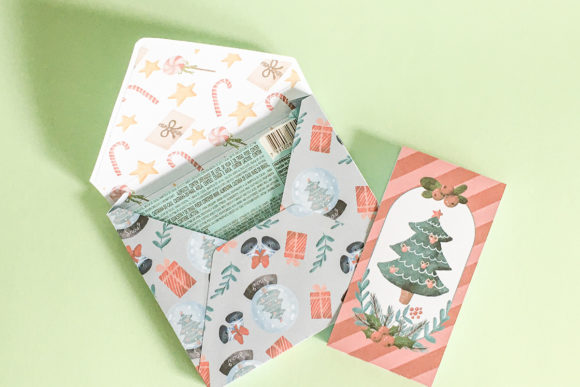
In a real-world scenario, imagine we are developing a launch campaign for an artisanal chocolatier. The Envelope Box Square Chocolate serves as the centerpiece of our packaging design strategy. Unlike flat illustrations, this asset provides a dimensional reference that helps stakeholders visualize the final product. When placed in a product mockup, the envelope-style closure adds a layer of sophistication that standard tuck-boxes often lack. It implies a personal touch, akin to receiving a letter, which enhances the emotional appeal of the gift.
This digital product excels when used in large layout areas or as a hero graphic on a website. Because it is a vector-based file, scaling it up for a trade show banner or down for an Instagram post maintains crisp edges. I found it particularly effective for creating themed collections. For instance, if the client is launching a Valentine's Day range, this box shape can be adorned with romantic clipart or elegant typography without losing its structural definition. It supports the overall visual hierarchy by acting as a strong anchor point around which other marketing visuals, such as flyers and invitations, can be organized.
However, the utility of this asset extends beyond physical packaging. In the realm of print-on-demand and sublimation design, the silhouette of the box can be used as a decorative accent on tote bags or mugs. It signals to the customer that the brand specializes in curated gifts. For Etsy product listings, using this shape in your listing photos can help buyers instantly understand the scale and style of the item they are purchasing, thereby increasing click-through rates and consumer trust.
Navigating Limitations and Design Constraints
While the Envelope Box Square Chocolate is a robust tool, professional judgment dictates knowing where not to use it. In extremely crowded layouts, the detailed folds of the envelope design might get lost, creating visual noise rather than clarity. If you are working on a minimalist corporate annual report or a project that requires a very clean, flat visual hierarchy, this 3D element might feel too ornate. It is best to avoid using it on complex backgrounds where contrast is low; the subtle shadows that give the box its depth need breathing room to be effective.
Furthermore, readability is key. If you plan to overlay text directly onto the box illustration within a logo design or a small sticker, ensure the font size is large enough to remain legible against the simulated folds. This asset works best as a supporting brand element or a standalone icon rather than a background texture. For projects requiring absolute flatness, such as certain types of screen printing where halftones are difficult, you may need to simplify the SVG design by removing gradient meshes or shadow layers.
Practical Designer Notes for Commercial Use
Before committing this asset to a client deliverable, there are several technical checks I always perform. First, test the design in black and white. Does the form hold up without color? This ensures that the Envelope Box Square Chocolate remains recognizable even in monochrome applications like faxed invoices or newspaper ads. Next, check the contrast on both light and dark backgrounds. A good illustration should adapt seamlessly to different contexts, whether it's a dark-mode website or a bright printable design.
Preview the file at various sizes. Zoom in to inspect the anchor points of the vector path. Is the curve smooth? Are there unnecessary nodes that could cause cutting issues on a Cricut or Silhouette machine? If the download includes a PNG version, inspect the transparency carefully to ensure there are no halo artifacts around the edges. When comparing this shape to typography, consider how it pairs with different font styles. It tends to complement serif fonts for a classic luxury look, but also works well with clean sans-serif fonts for a contemporary vibe. Avoid pairing it with overly busy handwritten fonts that might compete for attention.
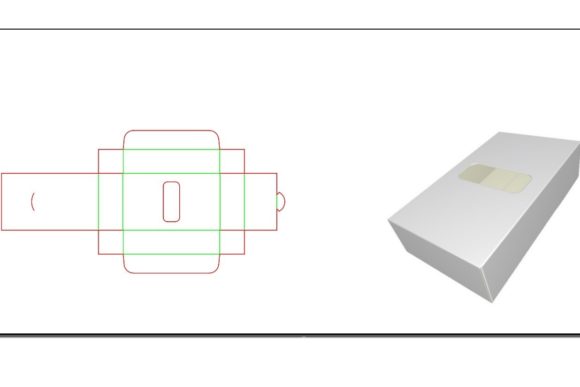
Finally, and most importantly, confirm the commercial licensing. As a professional, I never assume a file is free for client work. Ensure the license covers commercial design usage, especially if you are selling the final packaged product or the digital template itself. Understanding the dimensions is also vital for physical production. This specific envelope box is tailored for a 3.5 oz (100g) square chocolate, with approximate dimensions of 3-3/4″ x 4-3/8″ x 1/2″ (9.5cm x 11cm x 1.3cm). Knowing these specs allows you to accurately advise your client on material costs and shipping logistics.
Final Verdict on Visual Impact
The Envelope Box Square Chocolate is more than just a shape; it is a strategic component in building a cohesive brand identity. It affects audience engagement by promising a premium experience. When used correctly, it elevates the perceived value of the product inside. For content creators and bloggers looking to create authentic editorial design pieces, this asset provides a realistic foundation for storytelling. It helps the final result feel polished and intentional, moving away from generic templates toward custom, thoughtful creative design. By respecting its limitations and leveraging its strengths in social media graphics and physical packaging, designers can create memorable campaigns that resonate with consumers and drive sales for small business owners.