3D Vintage Clock SVG: A Shape for Editorial Design
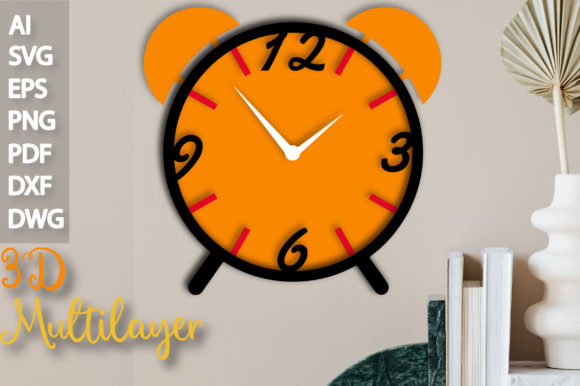
As a digital publisher who has spent years curating the visual identity of multiple content platforms, I approach every new graphic design asset with a critical eye. It is not enough for an image to simply look good; it must perform. It needs to stop the scroll on social media, establish immediate context in a blog header, and maintain crisp quality across various devices. Recently, I had the opportunity to review the 3D Vintage Clock Multilayer SVG File, a piece from the Shapes category that immediately caught my attention for its potential in editorial workflows.
My first impression was one of timeless elegance mixed with structural depth. Unlike flat icons that can sometimes feel generic, this 3D SVG offers a layered complexity that suggests history and precision. The vintage aesthetic creates a specific editorial mood—it feels established, trustworthy, and slightly nostalgic. This makes it an excellent fit for niches focused on productivity, history, lifestyle organization, or even financial planning where the concept of "time is money" is central. For a blogger looking to elevate their brand identity, this asset provides a sophisticated anchor that feels far more custom than a standard stock photo.
Elevating Editorial Layouts and Blog Graphics
In the realm of editorial design, hierarchy is everything. When I tested this clock file in a real publishing scenario, specifically for a featured image on a long-form article about time management, the results were compelling. The multilayer nature of the file allows for dynamic manipulation. You are not stuck with a static image; you can separate elements to create depth behind text or use the full composition as a striking hero image.
The product description notes that the normal clock size is W-11.5 H-11, but the true power lies in its scalability. Because it is a vector-based digital download, you can make your clock bigger or smaller according to your liking without losing a single pixel of clarity. I resized it for a wide website header, and the lines remained razor-sharp. I then scaled it down for a sidebar widget, and it retained its intricate details. This versatility is crucial for maintaining a consistent visual hierarchy across a site. Whether you are designing a Pinterest pin that needs to pop in a crowded feed or a subtle accent for a newsletter banner, this asset adapts seamlessly.
For content creators utilizing tools like Canva, importing this 3D SVG into a Canva template opens up endless possibilities. You can recolor the layers to match your specific brand palette, ensuring that the vintage vibe doesn't clash with your modern web design. I found that pairing the clock with a bold serif font created a classic, authoritative look, while placing it next to a handwritten script added a personal, lifestyle touch. This flexibility makes it a powerhouse for blog graphics that need to speak to different audience segments.
Strategic Use in Content Marketing and Lead Magnets
Beyond standard blog posts, this asset shines when used in content marketing materials designed to convert. Imagine creating a digital guide or a worksheet on "Mastering Your Morning Routine." Using the 3D Vintage Clock Multilayer SVG File as the cover art instantly communicates the theme. It adds a layer of perceived value to your lead magnet, making it look like a premium digital product rather than a freebie.
I also see immense potential for affiliate marketing visuals. If you are reviewing watches, productivity apps, or planners, having a high-quality, thematic graphic that you own the rights to (subject to licensing) sets your content apart from competitors using the same manufacturer images. It allows you to build a unique small business branding voice. The design is simple yet seamless and beautifully detailed, which ensures it doesn't distract from your sales copy but rather enhances the professional tone of your review.
Furthermore, for online educators creating course thumbnails or module headers, this shape serves as a perfect visual cue. It signals "duration," "schedule," or "deadline" without needing words. In a world where users scan content rapidly, these visual shortcuts are essential for improving click-through rates and keeping readers engaged.
Performance Considerations and Placement Strategy
While the aesthetic appeal is high, a responsible publisher must consider performance and placement. This graphic design asset works best in areas where it has room to breathe. It is ideal for hero images, article thumbnails, and dedicated social media graphics. However, caution is advised when using it in very small mobile thumbnails where the multilayer details might blur together, or on busy layouts where it could compete with other visual elements.
It is also important to consider the niche. While the vintage style is versatile, it might feel out of place in ultra-minimalist corporate environments or highly serious medical contexts unless styled very carefully. Always test how the asset looks against your background colors. I recommend previewing it inside your actual blog layout before publishing. Check the contrast, especially if you plan to overlay text. Does it hold up in black and white for printables? Yes, the strong lines of this Shapes category item ensure it remains legible even without color.
Practical Notes for the Modern Publisher
Before integrating the 3D Vintage Clock Multilayer SVG File into your commercial projects, there are a few housekeeping items to address. First, always review the file size. While SVGs are generally lightweight, complex multilayer files can sometimes impact load times if not optimized. Ensure you compress your images properly for web performance to keep your site speed high.
Secondly, typography pairing is key. I suggest testing the clock beside various font styles—serif for authority, sans serif for modernity, and display fonts for impact. See which combination drives the best engagement on your specific platform. Finally, and most critically, confirm the commercial license terms. If you are using this on monetized websites, affiliate pages, or selling it as part of a printable design bundle, you must ensure your usage rights align with the creator's terms from the creative marketplace.
In conclusion, this asset is more than just a picture of a clock; it is a tool for storytelling. By leveraging its 3D depth and vintage charm, publishers can create richer, more engaging visual experiences that resonate with readers and stand out in a saturated digital landscape.