DIY Junk Car 3D SVG: A Shape Review for Designers
When a client approaches me with a request for a "rustic automotive" themed pop-up event or a handmade boutique selling vintage-inspired decor, my first instinct is to scan the creative marketplace for assets that offer more than just a flat image. Recently, I evaluated the DIY Junk Car - 3d Papercraft file set to determine its viability for a real-world commercial project. As a designer, I am not just looking for a cute illustration; I need a graphic design asset that holds up under scrutiny, offers versatility across different media, and aligns with a cohesive brand identity. This review breaks down how this specific digital product performs when moved from a screen preview to a tangible client deliverable.
First Impressions and Visual Mood
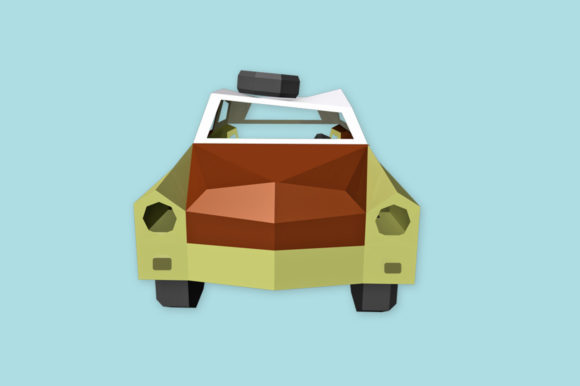
The initial encounter with the DIY Junk Car - 3d Papercraft files reveals a distinct aesthetic that leans heavily into the "shabby chic" and industrial revival trends. The visual language here is textured and dimensional, even in its 2D vector form. Unlike generic clipart that often feels sterile, this asset carries a sense of history and character. The lines suggest rust, wear, and a story, which is exactly what many small business branding projects in the handmade sector require.
For a modern design agency working on a campaign for an auto repair shop with a vintage twist, or a handmade business launching a line of retro-themed party favors, this asset hits the right emotional notes. It evokes nostalgia without feeling dated. The Shapes included in the file are complex enough to provide detail but simplified enough to remain recognizable when scaled. This balance is crucial for maintaining visual hierarchy in a layout where the car needs to be a focal point rather than background noise.
Practical Applications in Client Work
In terms of utility, the DIY Junk Car - 3d Papercraft shines brightest in projects that demand tactile engagement. For a recent packaging design concept I mocked up for a limited-edition coffee blend named "Rust & Roast," this asset served as the perfect centerpiece for the box sleeve. The ability to manipulate the 3D SVG paths allowed me to adjust the perspective slightly to fit the die-line requirements, proving its value as a flexible design bundle.
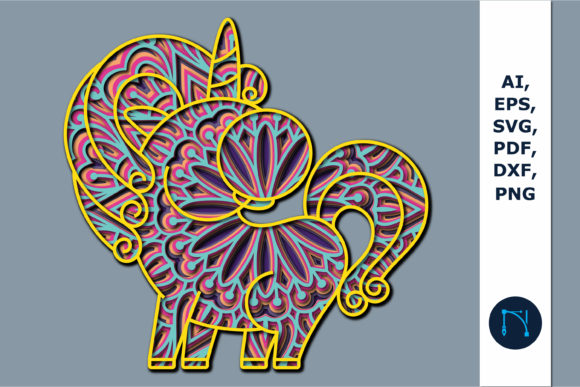
Beyond packaging, the potential for print-on-demand applications is significant. Imagine a t-shirt design for a car enthusiast's reunion or a sticker design pack for a planner brand targeting hobbyists. The files provided—typically including PDF, EPS, DXF, and PNG formats—ensure compatibility with various workflows. Whether you are using Adobe Illustrator for a high-end logo design or uploading a PNG to a Canva template for quick social media graphics, the asset adapts well.
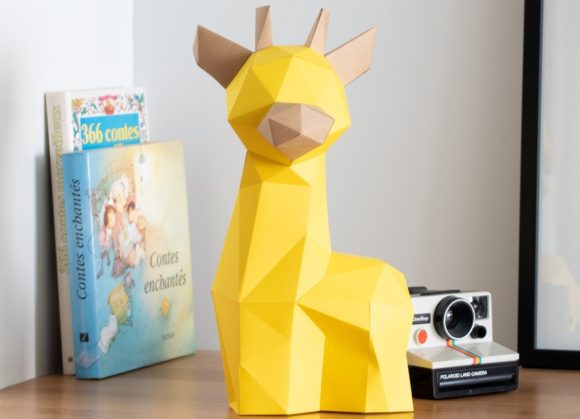
For crafters and Cricut users, the assembly aspect adds a layer of value. The instructions suggest an assembling time of roughly two hours, resulting in a physical model approximately 9 x 10 x 26 cm. This makes it an excellent candidate for workshop events, DIY kits sold on Etsy, or interactive displays at local trade shows. It transforms a static illustration into an experiential marketing visual.
Where This Asset Excels
This graphic design asset is best deployed in areas where texture and theme are paramount. It works exceptionally well as a hero graphic on landing pages for automotive blogs or as a decorative accent in editorial design for magazines focusing on restoration projects. In the realm of product mockups, placing the assembled paper car alongside other vintage items creates a compelling narrative for web design portfolios or catalog spreads.
It is also a strong contender for seasonal campaigns, particularly those revolving around Father's Day, garage sales, or autumn festivals. The rustic charm complements warm color palettes and earthy tones, enhancing the overall emotional appeal of the campaign. When used in printable design contexts, such as wall art for a man cave or a garage office, the attention to detail in the cut lines ensures a professional finish that elevates the perceived value of the final product.
Areas Requiring Caution
However, professional judgment dictates knowing when not to use an asset. The DIY Junk Car - 3d Papercraft is highly detailed, which can become a liability in small-scale applications. If you are designing a favicon, a small app icon, or a footer element on a crowded website, the intricate lines may blur, destroying the visual trust and professionalism of the brand.
Furthermore, this asset is likely too informal for corporate communications or minimalist branding strategies that rely on clean, sans-serif typography and ample white space. Placing such a textured, busy object against a complex background can create visual chaos, making it difficult for the audience to focus on the core message. In these scenarios, the asset should be used sparingly, perhaps as a watermark or a subtle pattern, rather than a primary visual element.
Technical Considerations and Designer Notes
Before integrating the DIY Junk Car - 3d Papercraft into a paid client project, several technical checks are mandatory. First, always test the design in black and white. This reveals whether the contrast levels are sufficient for single-color printing methods like screen printing or engraving. Next, preview the asset at both very large and very small sizes to ensure the visual hierarchy remains intact.
If you are utilizing the PNG files for sublimation design or digital ads, inspect the transparency closely. Jagged edges or halo effects around the rust textures can make a design look amateurish. For those working with the vector files (EPS, DXF, SVG), verify that the paths are closed and clean to avoid issues during the cutting process for Cricut projects.
Typography pairing is another critical factor. This asset pairs beautifully with slab serif fonts that echo the industrial era, or rugged handwritten fonts that suggest a personal touch. Avoid pairing it with delicate script fonts unless you are aiming for a specific ironic contrast. Finally, and most importantly, confirm the commercial license terms. Ensure that the usage rights cover your specific client needs, whether it's for unlimited merchandise sales or a one-time packaging design run.
In conclusion, the DIY Junk Car - 3d Papercraft is a robust tool in the designer's arsenal when applied with intention. It bridges the gap between digital convenience and physical craftsmanship, offering a unique avenue for creative design that stands out in a saturated market. By understanding its strengths in storytelling and its limitations in minimalism, designers can leverage this asset to create memorable, high-impact visuals for a wide range of clients.