Black History Layered: 3D SVG for Shadow Boxes
As a digital product creator who has spent years navigating the shifting tides of online marketplaces, I approach every new graphic design asset with a critical eye. It is not enough for a file to look pretty on a screen; it must perform in the real world of commerce. Recently, I downloaded Black History Layered to evaluate its potential for my upcoming collection. My goal was simple: determine if this bundle could serve as a cornerstone for high-quality, sellable products across platforms like Etsy, Creative Fabrica, and various print-on-demand services.
The first impression of Black History Layered is one of depth and intentionality. Unlike flat, single-layer graphics that often feel generic, this collection offers a structured complexity that immediately suggests premium value. The visual personality is bold yet respectful, striking a balance between celebratory and educational. It does not lean into caricature or overly playful aesthetics; instead, it feels modern, dignified, and commercially viable. For sellers targeting an audience interested in cultural heritage, education, and meaningful decor, this niche appeal is significant. It attracts buyers who are looking for more than just a decoration—they are seeking a statement piece.
Versatility in Product Creation
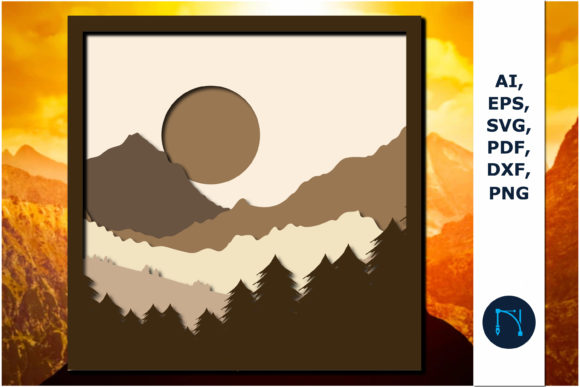
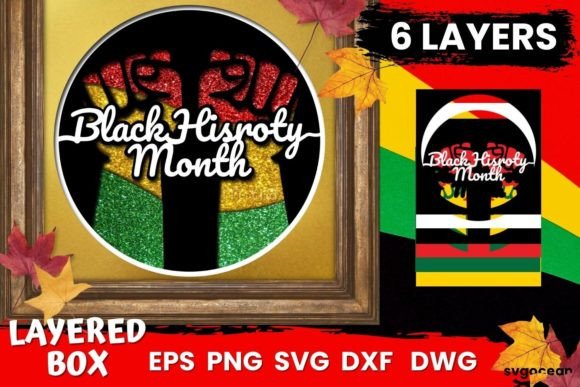
The true test of any digital product is its adaptability. Black History Layered arrives in a single ZIP file, but its utility extends far beyond a simple download. The bundle includes seven SVG files, seven PNG files, one EPS file, one DXF file, and one DWG file. This comprehensive format support is crucial for diverse crafting methods. For those of us creating Shadow Boxes, the layered nature of these files is a game-changer. The 3D SVG structure allows for precise cutting of multiple materials—cardstock, acrylic, or wood—to create physical depth. This transforms a standard graphic into a tactile experience, significantly increasing the perceived value of the final item.
Beyond paper crafts, the included PNGs are ideal for sublimation designs. I tested these on mockups for t-shirt designs and mug designs, and the transparency held up well against both light and dark fabric backgrounds. For Cricut users and Silhouette owners, the DXF and SVG files provide clean cut lines, which is essential for intricate sticker design or vinyl decals. If you are a Canva template seller, the high-resolution PNGs can be easily integrated into invitation templates, greeting cards, or social media graphics, adding a professional touch without requiring advanced vector editing skills.
Enhancing Product Presentation
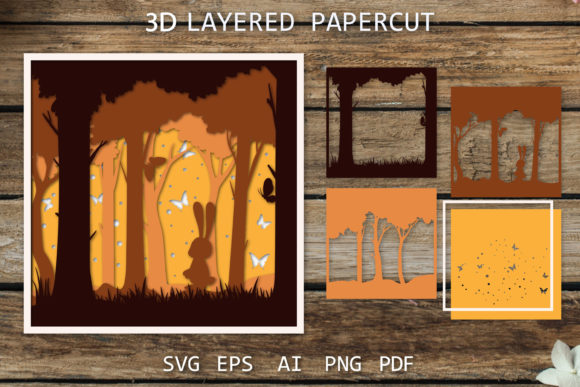
In the crowded landscape of creative marketplaces, thumbnail appeal is everything. A strong product mockup can make or break a click-through rate. Because Black History Layered features distinct layers, it lends itself beautifully to visual storytelling in listing images. You can show the assembly process of a shadow box, highlighting the craftsmanship involved. This builds customer trust and justifies a higher price point. When used in brand identity or small business branding materials, these illustrations convey a sense of care and attention to detail.
I found that pairing these graphics with the right typography enhances their impact. A bold sans serif font complements the modern lines of the illustration, while a elegant script font can add a personal, handmade feel to greeting cards or nursery prints. The key is maintaining visual hierarchy. The graphic should lead the eye, with text supporting the message rather than competing with it. For seasonal bundles, such as those released during Black History Month or Juneteenth, this asset provides a cohesive look that can tie together an entire shop’s aesthetic.
Strategic Placement and Cautionary Notes
While Black History Layered is robust, it is not a one-size-fits-all solution. It works best in applications where detail can be appreciated. Large product previews, printable wall art, and tote bag prints allow the intricacies of the design to shine. However, caution is advised when scaling down. For tiny sticker details or small planner stickers, the finer layers may blur or become difficult to weed if using vinyl. Always test cut a small sample before committing to a large production run.
Additionally, consider the background contrast. While the PNGs have transparent backgrounds, placing complex layered designs on busy or dark patterns can reduce readability. For sublimation on black shirts, ensure you are using a white underbase or adjusting the design colors for visibility. In text-heavy templates, such as detailed blog graphics or educational worksheets, use the graphic as a border or accent rather than the central focus to avoid clutter. Clean cutting lines are vital for Cricut projects, so always inspect the SVG nodes for any stray points that might cause cutting errors.
Practical Seller Notes for Commercial Success
Before publishing any listing featuring Black History Layered, rigorous testing is non-negotiable. Here is my checklist for ensuring quality:
- Test on Real Mockups: Do not rely solely on digital renders. Print the design on actual paper or fabric to check color accuracy and layer alignment.
- Preview as a Thumbnail: Shrink your main image to the size of a mobile screen. Is the design still recognizable? If not, simplify the composition for the thumbnail.
- Check File Resolution: Ensure the PNGs are at least 300 DPI for print products. Low-resolution images will appear pixelated and unprofessional.
- Verify Transparency: Open the PNGs in different software programs to confirm the background is truly transparent and not white.
- Inspect SVG Cut Quality: Import the SVG into your cutting software. Ungroup the layers and check for overlapping paths that might cause double cuts.
- Organize Files Clearly: If you are reselling this as part of a design bundle, organize the folder structure logically. Customers appreciate clear labeling of SVG, PNG, and DXF files.
- Confirm Commercial Licensing: Always read the license terms. Ensure you have the right to use the asset in commercial design products for sale. Most bundles allow for end-product sales but restrict reselling the raw files.
Integrating Black History Layered into your shop requires a strategic approach. It is not just about uploading a file; it is about creating a narrative. Use these assets to build a collection that resonates with your audience. Whether you are creating packaging design for physical goods or digital downloads for planners, consistency is key. Use the same color palette and styling across your social media graphics and product listings to strengthen your brand identity.
For handmade business owners, this bundle offers a shortcut to professional-grade designs without sacrificing uniqueness. By leveraging the layered structure, you can create items that stand out in a sea of flat prints. The inclusion of EPS and DWG files also opens doors for industrial designers or those using laser cutters, expanding your potential customer base beyond traditional crafters.
In conclusion, Black History Layered is a versatile and high-quality addition to any digital seller’s toolkit. It respects the subject matter while offering the technical flexibility needed for modern product creation. By testing thoroughly, presenting professionally, and using the assets strategically, you can create a compelling product line that drives sales and builds customer loyalty. Remember, the value lies not just in the files themselves, but in how you transform them into meaningful, marketable products.