3D SVG Mandala for Shadow Boxes
As a graphic designer who has spent over a decade refining brand identities and preparing files for production, I approach every new graphic design asset with a critical eye. It is not enough for a file to look pretty on a screen; it must perform under the pressure of real-world application. Recently, I evaluated the Mandala Layered and Flat Designs collection for a client project involving intricate paper crafts and digital branding. The goal was to determine if these assets could elevate a boutique product line while maintaining technical integrity across various mediums.
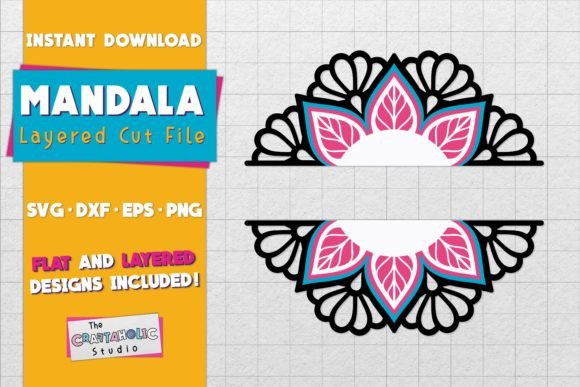
My first impression of the Mandala Layered and Flat Designs was one of balanced complexity. The visual mood is serene yet sophisticated, bridging the gap between traditional ornamental art and modern design aesthetics. For a client in the wellness or handmade jewelry space, this style communicates mindfulness and attention to detail. The designs do not feel cluttered; instead, they offer a structured elegance that can serve as a powerful anchor in brand identity systems. Whether used for logo design accents or full-scale packaging design, the mandalas provide a versatile foundation for creative exploration.
Performance in Real-World Client Projects
In practical creative design scenarios, versatility is king. I tested these files across multiple touchpoints for a hypothetical launch of an artisanal candle brand. The SVG design files proved invaluable for creating precise cut lines for custom labels, while the high-resolution PNG design options were perfect for social media graphics and web banners. The ability to scale without losing quality is non-negotiable for professional work, and these vectors held up exceptionally well.
For Cricut users and crafters, the layered aspect of these files is a significant advantage. I simulated a Cricut project for a set of wedding invitations, where the mandala served as a delicate overlay. The clean paths meant no excessive weeding time, a crucial factor for small business branding owners who need efficiency. Furthermore, when applied to t-shirt design or tote bags via sublimation, the intricate lines remained crisp, demonstrating their viability as a sublimation design resource.
Beyond physical products, these assets shine in digital product creation. I integrated the flat mandala variants into a Canva template for a yoga studio’s monthly newsletter. The result was a polished piece of editorial design that felt custom-made rather than templated. For Etsy product sellers, offering these as part of a design bundle for scrapbooking or journaling adds immense value. They function beautifully as clipart elements in larger compositions, providing texture and depth without overwhelming the primary message.
Strategic Placement and Visual Hierarchy
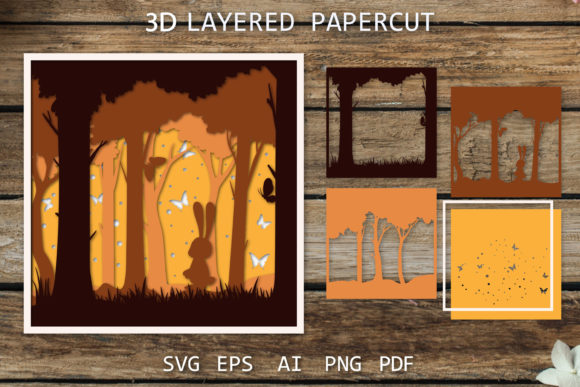
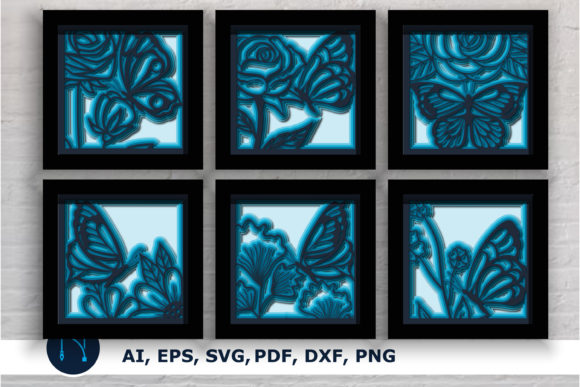
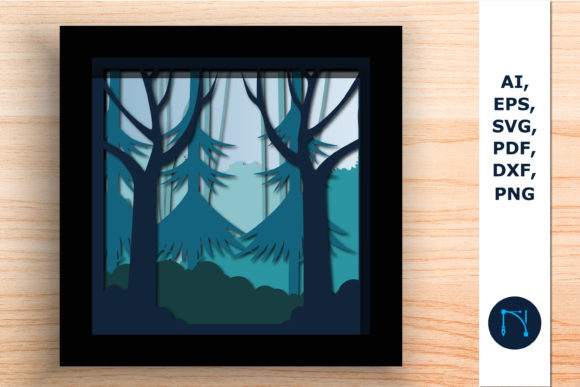
Understanding where to place such a detailed illustration is key to maintaining visual hierarchy. These mandalas work best in large layout areas where they can breathe. I found them particularly effective as hero graphics on landing pages or as central motifs in product mockup presentations. When used in Shadow Boxes or layered paper art, the 3D SVG capabilities allow for stunning depth, turning a simple design into a tangible experience.
However, caution is required in crowded layouts. Because mandalas are inherently complex, placing them against busy backgrounds can reduce readability and visual trust. I recommend using them as decorative accents in marketing visuals rather than the primary focal point when text is involved. In web design, they serve excellently as footer patterns or section dividers, adding a touch of elegance without distracting from call-to-action buttons.
For print-on-demand applications, such as mugs or phone cases, the flat designs offer a cleaner look that translates better to curved surfaces. The layered versions, while beautiful, require precise alignment during printing, which may not be feasible for all mass-production methods. Therefore, knowing your production constraints is essential before selecting the specific file type from the design assets library.
Technical Review and Designer Notes
Before approving any asset for a client, I run a series of technical checks. Here are my practical notes for working with Mandala Layered and Flat Designs:
- Contrast Testing: Always test the design in black and white first. This ensures the lines are distinct and the shape is recognizable even without color. This is vital for sticker design where ink costs matter.
- File Format Inspection: Verify the SVG, DXF, EPS, and PNG files. Check that the SVG nodes are clean and not overly dense, which can cause lag in design software. Ensure the PNG has a transparent background for easy layering in Canva template projects.
- Typography Pairing: These ornate designs pair best with clean sans serif fonts to balance the complexity. Avoid pairing them with overly decorative script fonts unless you are aiming for a very specific vintage look. A modern display font can also create a striking contrast.
- Scale Verification: Preview the asset at both thumbnail size and large format. Intricate details may disappear at small sizes, so consider using the simpler flat versions for social media graphics icons or favicons.
- Licensing Confirmation: Always confirm the commercial license terms. For small business owners and digital sellers, ensuring you have the right to use these in products for sale is critical to avoiding legal issues in the creative marketplace.
Final Verdict for Professional Use
The Mandala Layered and Flat Designs collection is a robust addition to any designer’s toolkit. It offers the flexibility needed for diverse projects, from packaging design to printable design wall art. The inclusion of both layered and flat options allows for creativity in Shadow Boxes and 2D applications alike. For handmade business owners, these files provide a professional edge, enabling the creation of high-quality greeting cards, labels, and cake toppers that stand out in a saturated market.
While they require thoughtful placement to avoid visual clutter, their impact on audience engagement and emotional appeal is undeniable. They bring a sense of calm and craftsmanship that resonates with consumers looking for authenticity. By following proper technical protocols and respecting visual hierarchy, designers can leverage these 3D SVG and vector assets to deliver polished, professional results that enhance brand consistency and drive customer recognition.
In conclusion, if you are looking for a digital product that bridges the gap between artistic expression and commercial viability, this mandala collection is a strong contender. It supports the creation of personalized items like scrapbooks and pictures, while also serving as a foundational element for broader marketing visuals. For any designer aiming to produce high-end commercial design work, these assets are worth integrating into your next project workflow.